The Cloister of Apparatus
Revisiting educational typology in the age of technology.

The Dalhousie Centre for Sustainability is a new academic building on Sexton Campus in downtown Halifax. Designed to speak at a human scale, the Centre prioritizes low-impact construction while expanding outdoor common space—fostering connection, learning, and sustainability in the urban core.
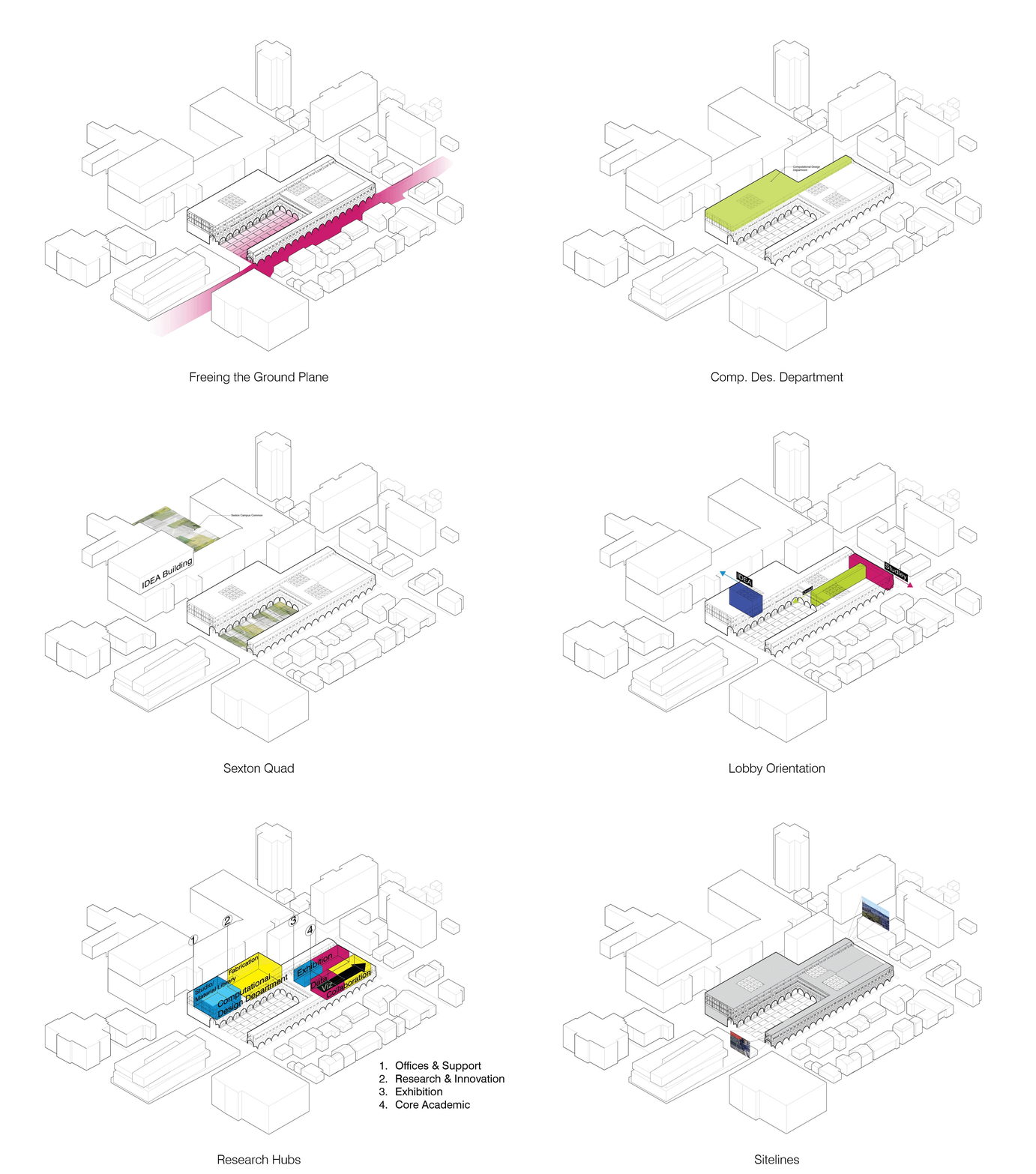
As a new landmark for the university, the Centre will house Dalhousie’s Department of Computational Design. The program includes advanced labs, media centers, and exhibition spaces, supporting both research and public engagement. Acknowledging the legacy of the site, the building’s massing and orientation respond to the historical program hierarchy of its predecessors. Queen Street is re-established as the building’s formal front, while Norma Eddy Lane becomes an avenue of making—supporting fabrication labs and workshops.
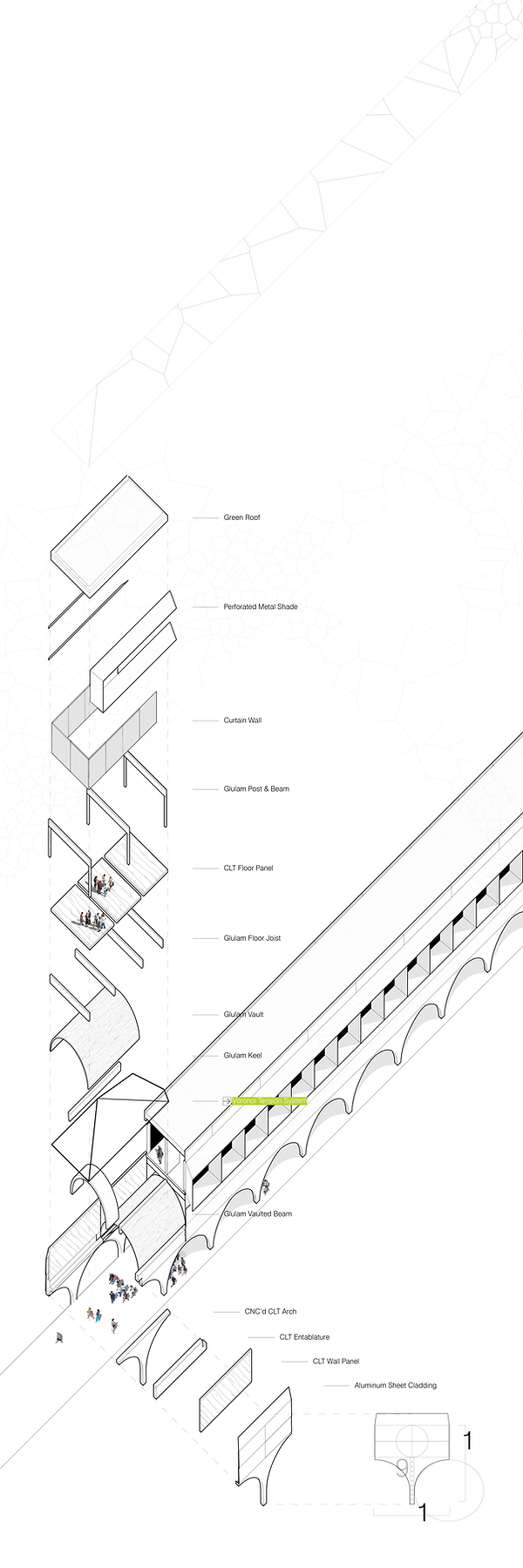
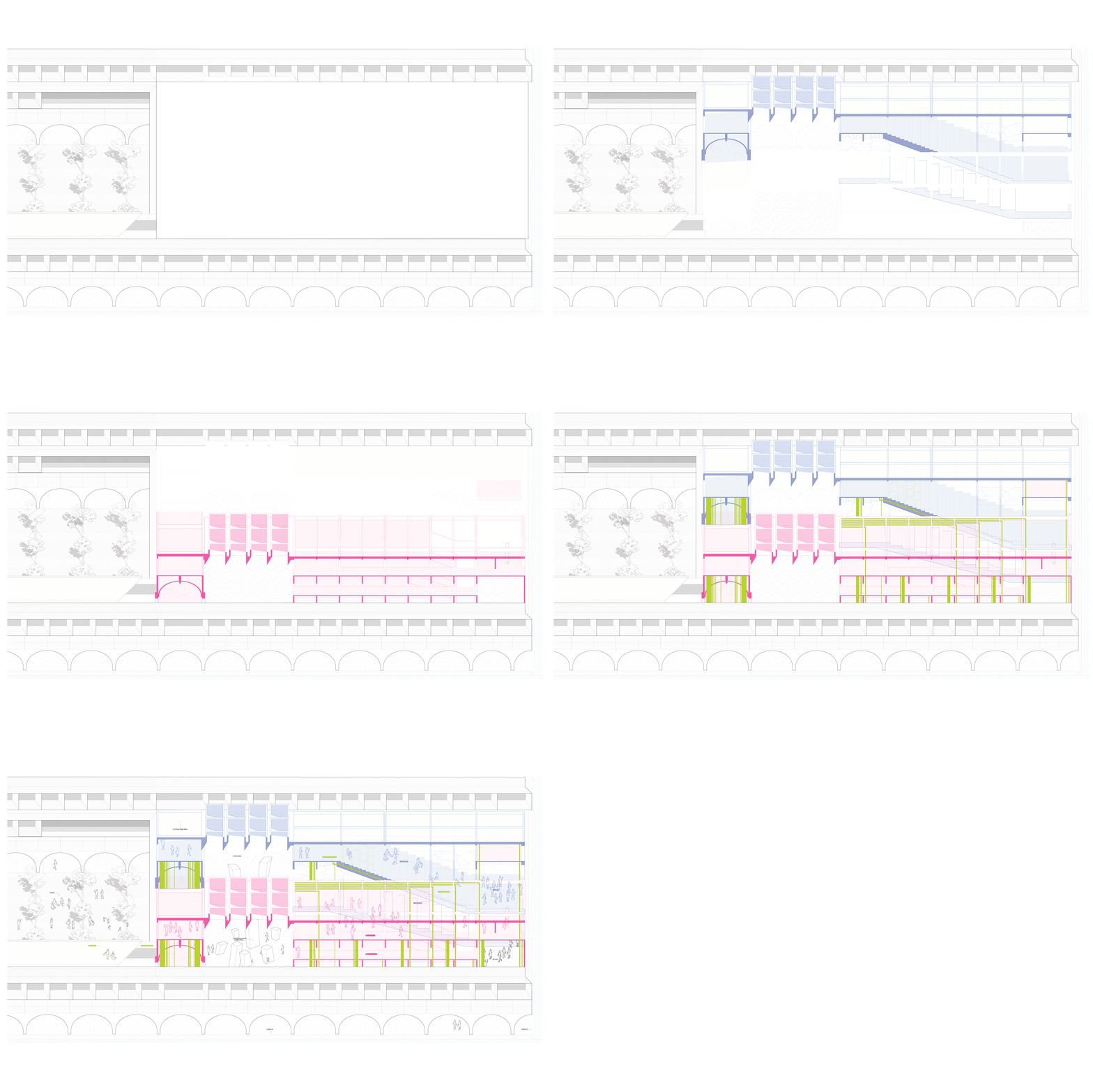
The building’s structure translates computational thinking into architectural form. A tensile web system spans the ground floor, acting as both a visual and structural expression of stress flow. Informed by principles of force mapping and stress line behavior, the system efficiently distributes horizontal loads across the site. This optimization allows for a reduction in vertical mass timber components, minimizing material usage while maximizing spatial openness and flexibility.
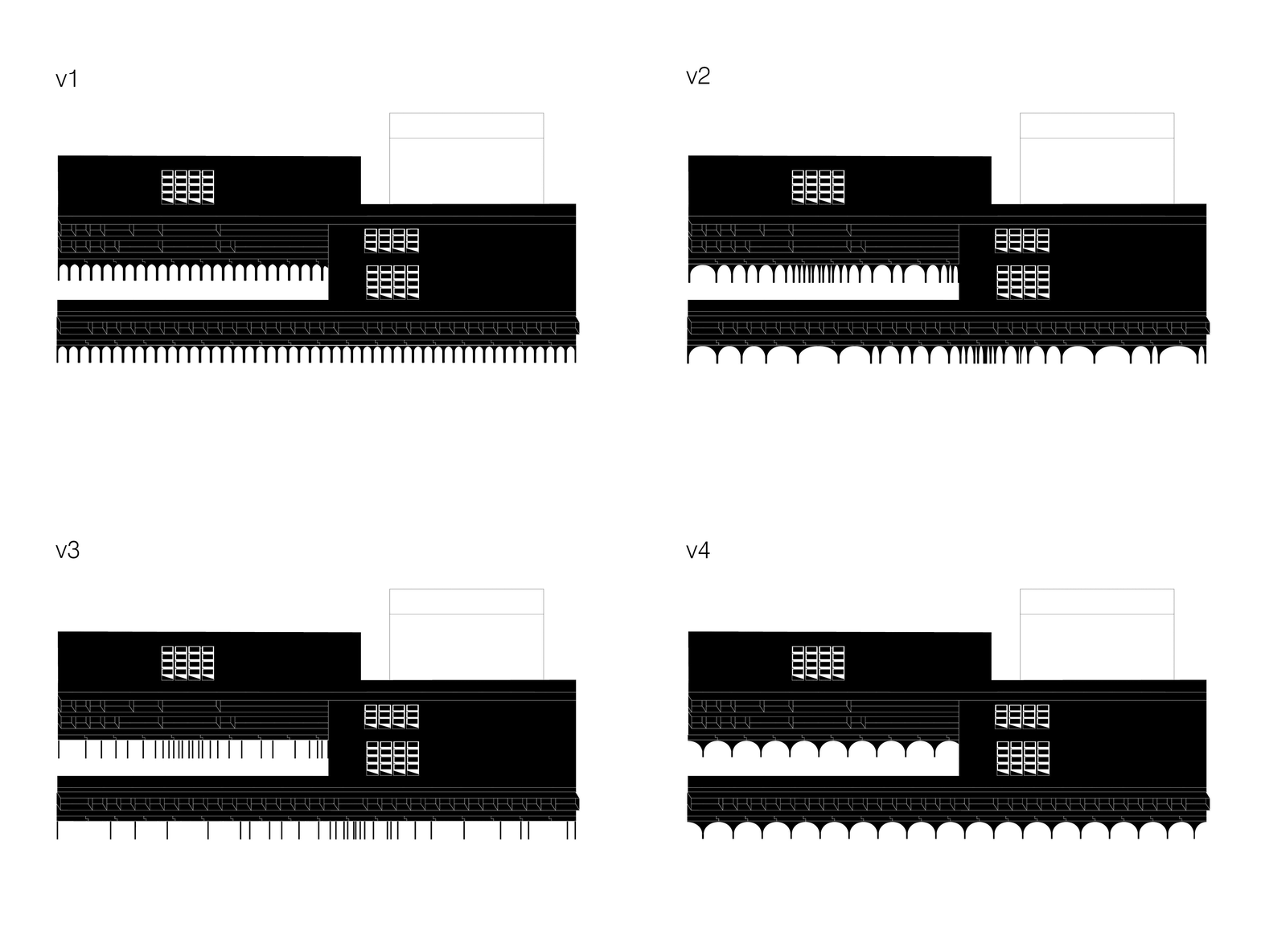
The project draws from classical educational typologies—cloisters, quads, and arcades—reinterpreting them for contemporary use. These elements shape circulation, define programmatic hubs, and anchor the building in a lineage of institutional architecture. Here, typology becomes a vessel for technology, framing spaces for innovation within an architecture that is rooted, legible, and adaptable.


Investigating Educational Typology
This center looks to introduce educational archetypes into the downtown fabric. The archetypes start at the medieval cloister, and transition into the contemporary quad.
Grounding the site in outdoor public space allows users outside of the university to engage with and traverse the quad.
Archetype: Cloister
Date: 1218
Location: University of Salamanca, Spain
Architect: Andres Garcia De Quinones
Archetype: Quadrangle
Date: 1563
Location: Trinity College, Cambridge UK
Architect: Thomas Nevile
Archetype: Quad
Date: 1826
Location: University of Virginia, USA
Architect: Thomas Jefferson
Archetype: Quad
Date: 1901
Location: Harvard Massachusetts, USA
Architect: Arthur Shurcliff